
Greenville Neurosurgery Malpractice Lawyer
Brain and spine surgery involve significant risks because even a small complication can affect movement, sensation, cognition, or other neurological functions. A poor outcome does not necessarily mean a neurosurgeon made an error. However, some injuries result from preventable mistakes during the procedure or the care that follows.
At Mooneyham Berry, our Greenville neurosurgery attorneys represent patients harmed by errors during brain and spinal procedures. We examine surgical records, imaging, and post-operative care to identify whether an error caused a new injury or worsened an existing condition.
If you believe a preventable error occurred during your brain or spine surgery, contact our lawyers to discuss your case.
When a Neurosurgical Complication May Be a Surgical Error
Neurosurgery leaves little room for error, but a serious complication does not automatically mean the neurosurgeon or surgical team provided improper care. Brain and spine procedures carry known risks even when performed correctly.
The question is whether the care meets the standard expected of a reasonably skilled neurosurgeon under similar circumstances. Imaging, anatomy, the patient's condition, and the specific procedure all factor into that evaluation.
Neurosurgical mistakes are a highly specialized type of surgical error because even small technical or procedural failures can damage the brain, spinal cord, or surrounding nerves. The location of the procedure and resulting injury often determines the medical evidence and expertise needed to evaluate the care.
These cases also fall within South Carolina's broader medical malpractice framework, including specific filing and expert-review requirements. Our neurosurgery attorneys focus on the records and standards specific to the brain or spine procedure involved.
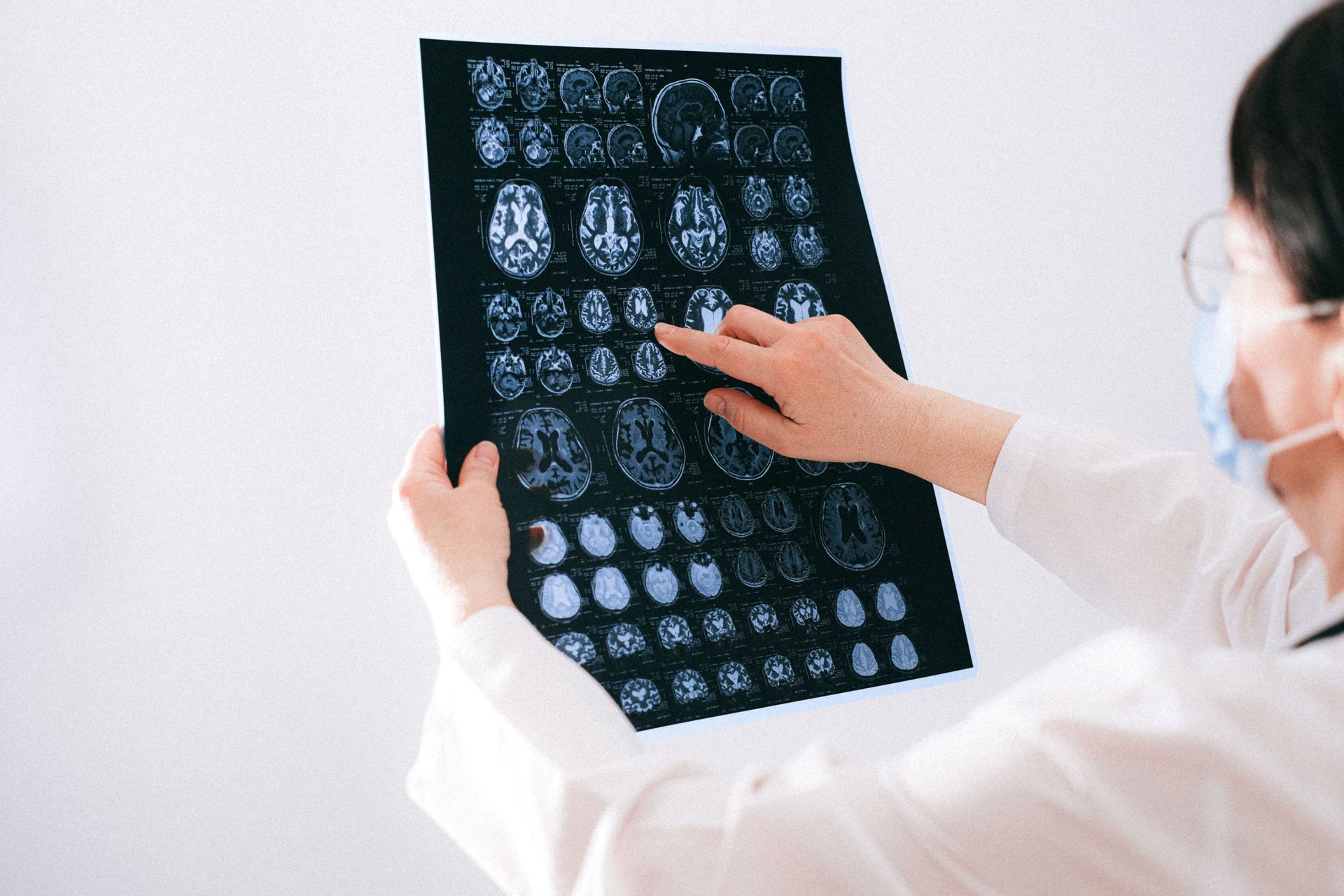
Common Neurosurgical Errors in Brain and Spine Procedures
Errors during brain and spine procedures can involve surgical technique, hardware placement, imaging, or the recognition of complications. Examples include:
- Wrong-level spinal surgery involving the incorrect vertebral level
- Nerve root or spinal cord injury caused by surgical technique or hardware placement
- Dural tears and cerebrospinal fluid leaks that go unrecognized or untreated
- Vascular injuries during cranial procedures, including aneurysm clipping or coiling
- Failure to recognize post-operative bleeding, swelling, or stroke
- Infections following spinal hardware placement that do not receive timely treatment
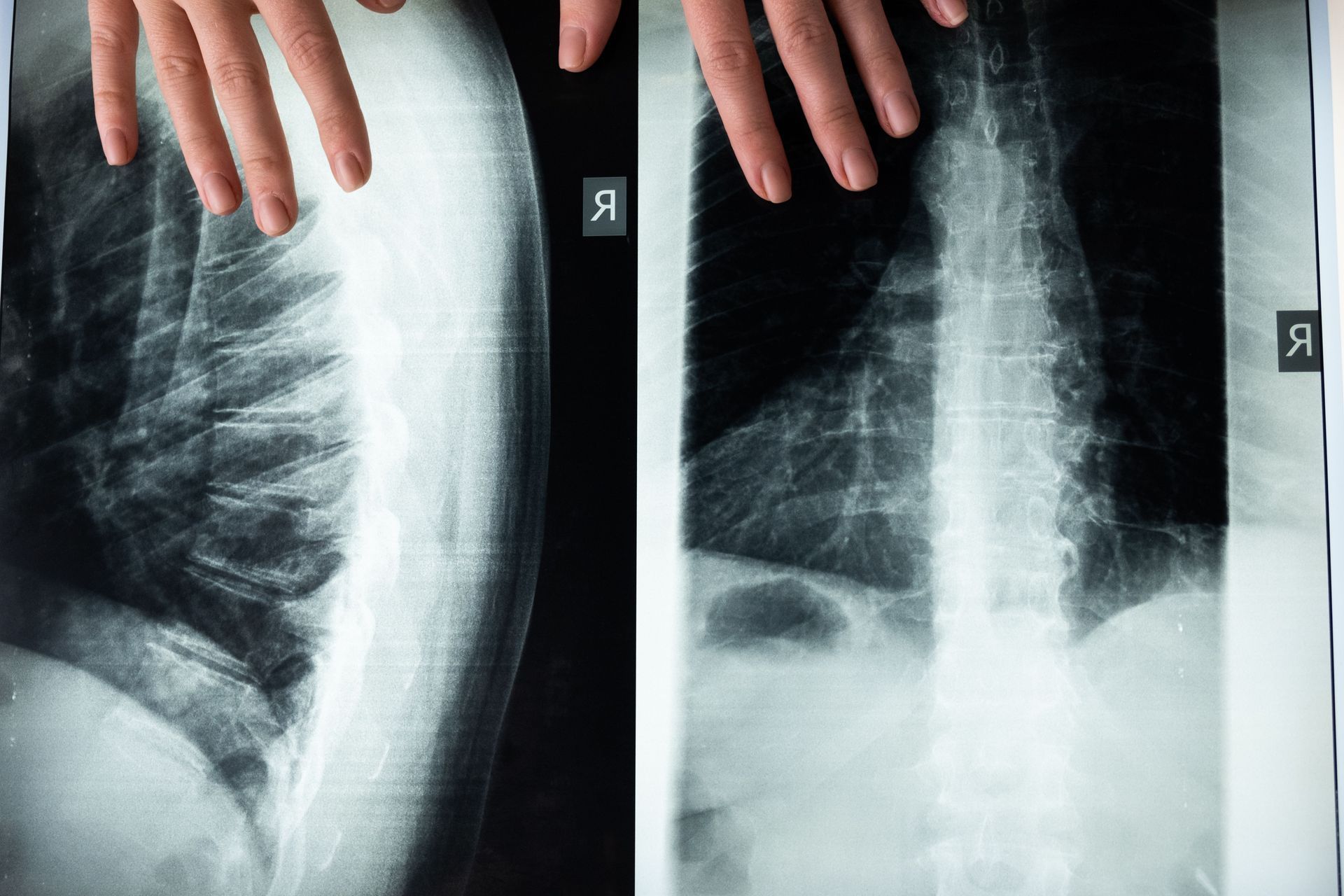
Errors During Spinal Surgery
Spinal procedures require precise identification of the surgical level and careful placement of hardware around the spinal cord and nerve roots. Intraoperative imaging can document whether the surgical team confirms the correct vertebral level before proceeding.
Hardware creates another potential source of injury. Screws, rods, or cages used during spinal fusion can impinge on a nerve root or the spinal cord when improperly positioned.
Post-operative imaging often shows where that hardware sits in relation to surrounding structures. If imaging reveals a problem, the response matters too. Delayed correction can allow an otherwise treatable nerve or spinal cord injury to worsen.
Errors During Brain and Cranial Surgery
Brain surgery cases often require comparison of imaging from before, during, and after the procedure. Those scans can help establish where an injury develops and whether it corresponds with the area being treated.
Vascular procedures require particular precision. During aneurysm clipping or coiling, improper placement can interfere with blood flow to healthy brain tissue or fail to adequately address the aneurysm.
Post-operative imaging is also important when bleeding, swelling, stroke, or other neurological complications develop. We examine when those changes first appear and how quickly the neurosurgical team responds.
Why Neurosurgery Malpractice Cases Differ
Neurosurgery involves the brain, spinal cord, nerve roots, and surrounding structures where even a small injury can have significant consequences. These cases often require highly specialized medical evidence and experts who understand the exact procedure involved.
A study published in the New England Journal of Medicine found that 19.1 percent of neurosurgeons face a malpractice claim in a given year. That was the highest annual rate among the specialties studied. The complexity and severity of neurosurgical injuries can also make these claims heavily contested.
Finding the Right Neurosurgical Expert
Not every neurosurgeon has the expertise needed to evaluate every brain or spine procedure. A spinal fusion case can involve different standards and techniques than aneurysm surgery, tumor removal, or another cranial procedure.
We look for experts whose training and clinical experience match the procedure at issue. The relevant background may include spinal, cranial, vascular, or another neurosurgical subspecialty.
The expert must evaluate more than whether a complication occurs. Imaging, surgical technique, anatomy, post-operative findings, and the patient's underlying condition can all affect whether the care was appropriate.
Pediatric Neurosurgery Cases
Brain and spinal cord injuries in children present additional medical and long-term questions. An injury can affect physical development, cognition, education, mobility, and independence for decades.
Pediatric cases may also require a pediatric neurosurgeon rather than a physician whose practice primarily involves adults. Other specialists can become necessary as the child's long-term needs become clearer.
Evaluating these cases requires looking beyond the immediate surgical injury. The child's expected development and future medical needs can become important parts of the evidence.
Proving a Neurosurgery Malpractice Claim
Brain and spine surgery patients often enter the operating room with serious existing conditions. Tumors, degenerative disc disease, aneurysms, vascular abnormalities, and prior neurological damage can complicate the cause of a later injury.
The evidence must show more than a poor surgical outcome. It must connect a specific error to new neurological harm or a measurable worsening of the patient's condition.
Our neurosurgery attorneys typically:
- Obtain pre-operative imaging, operative reports, intraoperative records, and post-operative scans
- Compare imaging from before and after surgery to identify new or worsening damage
- Consult a board-certified neurosurgeon with experience in the procedure involved
- Review documentation of surgical level, hardware placement, technique, and recorded complications
- Evaluate whether the patient's underlying condition or the surgical care caused the resulting injury
Post-Operative Neurological Changes
The hours after brain or spine surgery can be as important as the procedure itself. New weakness, loss of sensation, severe headache, confusion, or other neurological changes can signal bleeding, swelling, stroke, nerve injury, or spinal cord compression.
Nursing assessments, neurological checks, imaging orders, and physician notes can establish when symptoms first appear. They also show how long the neurosurgical team takes to investigate or intervene.
A delay at this stage can allow a treatable complication to cause permanent neurological damage.
Informed Consent Before Brain or Spine Surgery
The risks discussed before neurosurgery should reflect the procedure being recommended. A spinal fusion presents different concerns than a craniotomy, aneurysm repair, or brain tumor resection.
Consent records may show whether the surgeon discusses risks such as nerve damage, neurological impairment, infection, bleeding, or the possibility of additional surgery. They can also document available alternatives and the expected consequences of delaying treatment.
An informed consent issue is separate from whether the procedure itself is performed correctly. A patient can receive technically appropriate surgery and still have questions about whether material risks or alternatives were adequately explained.
Why Choose Mooneyham Berry for a Neurosurgery Case?
Neurosurgery cases can involve extensive imaging, highly specialized expert testimony, and permanent neurological injuries. Mooneyham Berry brings more than 40 years of combined litigation experience to complex injury cases involving serious medical evidence.
Trial Experience for Complex Brain and Spine Cases
Our firm has experience preparing cases where causation, medical evidence, and the extent of an injury are heavily disputed. That background is particularly important when brain or spinal damage must be separated from a patient's underlying neurological condition.
Our experience includes more than 100 cases tried to verdict in South Carolina state and federal courts. The firm also includes a member of the American Board of Trial Advocates and brings complex civil litigation experience from both South Carolina and Georgia.
Experience With the Medical Defense Perspective
Our team also includes prior experience representing hospitals, physicians, and their insurers. That gives us firsthand knowledge of how defense teams approach serious surgical injury claims.
In neurosurgery cases, disputes often center on whether an injury is a known complication, whether the patient's condition already caused neurological damage, and whether the appropriate expert supports the surgeon's decisions.
We account for those arguments when evaluating imaging, selecting neurosurgical experts, and developing the medical evidence supporting the claim.
What Our Neurosurgery Lawyers Can Help You Recover
A brain or spinal cord injury can create losses that continue long after the initial surgery. Our neurosurgery lawyers evaluate both the immediate effects of the injury and the medical, financial, and personal costs that may continue for years.
Depending on the circumstances, compensation may include:
- Past medical expenses related to the injury
- Future treatment, rehabilitation, and additional procedures
- Physical, occupational, or cognitive therapy
- Assistive equipment and modifications to the home
- In-home care or other long-term assistance
- Lost wages and reduced future earning capacity
- Pain and suffering
- Permanent neurological impairment or disability
- Wrongful death damages when a neurosurgical error results in death
For patients with permanent brain, spinal cord, or nerve damage, future care can represent a significant part of the claim. We may work with treating physicians and life care planners to identify expected medical needs and project their costs over time.
Establishing those losses also requires connecting them to the neurosurgical injury rather than the condition that originally required surgery. We use imaging, medical records, expert opinions, and long-term care projections to document that difference.
Defense teams may challenge both causation and the extent of future care. Our attorneys develop that evidence early so the claim reflects the full impact of the injury, not only the expenses incurred immediately after surgery.
Get Experienced Legal Help After a Neurosurgical Injury
When brain or spine surgery leaves you with new neurological symptoms or a worsened condition, you deserve to know why. Imaging, operative records, and post-operative documentation may show whether the injury was an accepted surgical risk or the result of a preventable error.
Mooneyham Berry has the litigation experience to take that question seriously. Our neurosurgery lawyers examine the medical evidence, consult qualified specialists when needed, and identify how the injury affects your treatment, work, mobility, and future independence.
These cases can involve permanent consequences, and the hospital or surgeon may already have insurers and attorneys evaluating the outcome. You should have a legal team prepared to investigate the same evidence on your behalf.
If you or someone you love suffered serious harm after brain or spine surgery, contact our Greenville office. Let us evaluate the records and determine whether you have grounds to pursue a claim.