
Greenville Police Misconduct Lawyer
An encounter with law enforcement can leave you with physical injuries, criminal charges, and serious questions about your rights. Some encounters involve force, an arrest, or other conduct that may violate state or federal law. A Greenville police misconduct lawyer can review what happened, preserve important evidence, and determine which claims may apply.
At Mooneyham Berry, we bring more than 40 years of combined experience to representing people harmed by police misconduct and other government wrongdoing. Our attorneys understand that these cases can involve both personal harm and complicated questions about constitutional rights. We investigate the facts, protect our clients' interests, and prepare claims for litigation when necessary.
If you were injured, wrongfully arrested, or believe law enforcement violated your rights, contact Mooneyham Berry and tell us what happened.
Thorough Investigation
Clear Guidance
Rights Focused
Evidence Driven
Questioning What Happened During a Police Encounter?
Mooneyham Berry can review the circumstances, available evidence, and legal standards that may apply to your case.
What Counts as Police Misconduct in South Carolina
Police misconduct occurs when a law enforcement officer violates a person's legal rights or exceeds lawful authority. Not every police encounter that ends badly involves misconduct. Officers may use reasonable force in many situations, and whether their conduct was lawful depends on the specific facts.
Police brutality generally refers to the use of excessive or unlawful force. Police misconduct is broader and may involve:
- Excessive force: Force that is unreasonable under the circumstances, including during a stop or arrest.
- Wrongful arrest: An arrest made without probable cause or other lawful justification.
- Unlawful searches and seizures: Government conduct that violates Fourth Amendment protections.
- Denied medical care: Failure to address a serious medical need while a person is in custody.
- Wrongful death: A death during a law enforcement encounter or in custody may give rise to additional claims.
- Vehicle pursuits: A police pursuit that ends in a car accident may injure a driver, passenger, pedestrian, or other bystander.
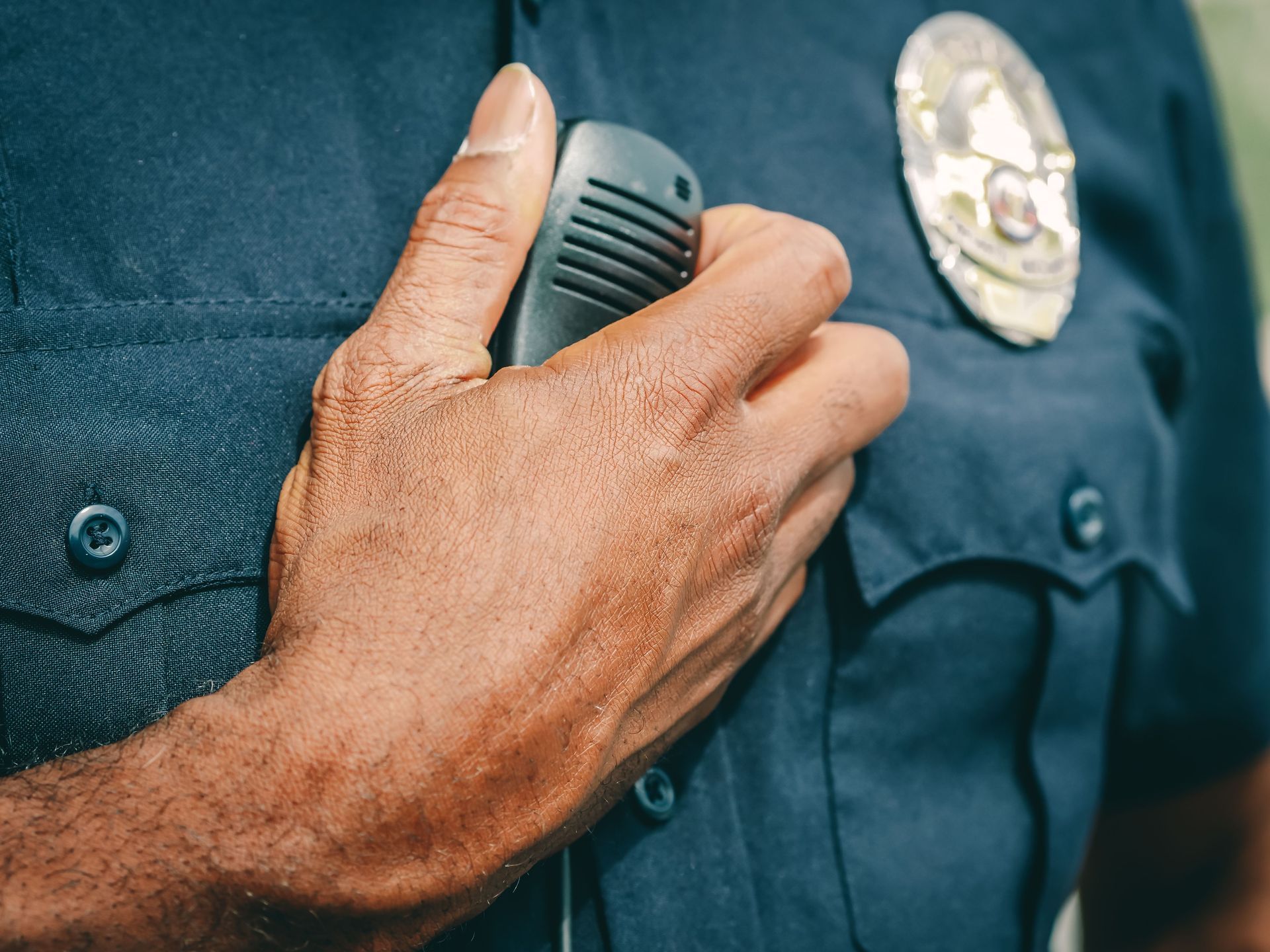
Police misconduct claims can involve many of the same physical, financial, and emotional losses as other
personal injury
claims. They also require proof that the officer or government entity violated a legal duty or protected right.
Excessive Force Claims and the Fourth Amendment
Courts generally evaluate excessive force during an arrest, stop, or other seizure under the Fourth Amendment's objective reasonableness standard. The question is whether the officer's actions were objectively reasonable under the circumstances, viewed from the perspective of a reasonable officer at the scene rather than with hindsight.
Courts consider the totality of the circumstances, including:
- The severity of the alleged crime.
- Whether the person posed an immediate threat to officers or others.
- Whether the person was actively resisting arrest or attempting to flee.
- Other circumstances surrounding the use of force.
No single factor automatically determines whether force was excessive. Video recordings, medical records, witness accounts, and other evidence can help establish what happened before, during, and after the use of force.
Mooneyham Berry examines that evidence against the legal standard rather than relying only on an officer's account or an incident report.
Federal and State Claims After Police Misconduct
A police misconduct case may involve a federal civil rights claim, a South Carolina tort claim, or both. The same conduct can raise different legal issues, and the defendants, deadlines, and available damages may differ.
Section 1983 Civil Rights Claims
Under 42 U.S.C. § 1983, a person may bring a civil action when someone acting under color of state law deprives them of rights protected by federal law or the Constitution.
For example, an excessive force claim may involve the Fourth Amendment's protection against unreasonable seizures. Other police misconduct claims may involve different constitutional rights. Mooneyham Berry evaluates what happened, which rights may have been violated, and who may be legally responsible.
South Carolina Tort Claims Act Claims
State-law claims involving law enforcement may also fall under the South Carolina Tort Claims Act. For torts committed within the scope of an employee's official duties, the Act generally makes the government agency or political subdivision the proper defendant rather than the individual employee.
Different rules can apply when an employee acts outside official duties or engages in actual fraud, actual malice, intent to harm, or a crime involving moral turpitude.
The same encounter may support both federal and state claims. Mooneyham Berry evaluates each potential claim separately because the responsible parties, legal standards, and deadlines may not be the same.
Qualified Immunity and Other Defenses
Officers sued individually under federal law may raise qualified immunity. The defense generally protects an officer from damages unless the officer violated a constitutional right that was clearly established at the time. Courts may address qualified immunity early, making the specific facts and existing case law important from the beginning.
Qualified immunity applies differently from a claim against a city or county. Under federal law, a local government is not automatically responsible simply because it employed the officer. A claim against the government generally requires evidence that an official policy, custom, or practice caused the constitutional violation.
South Carolina law creates additional limitations for state-law claims. The Tort Claims Act contains exceptions to government liability, limits recoverable damages, and prohibits punitive damages against government entities.
Mooneyham Berry evaluates these defenses early. We examine the conduct of the individual officers, the role of the government entity, and the evidence supporting each potential claim.
Wrongful Arrest and Police Misconduct Claims
A wrongful arrest claim generally turns on whether officers had probable cause or another lawful basis for the arrest. Mooneyham Berry reviews reports, available video, witness accounts, and what officers knew when they made the arrest.
A related criminal case can affect a civil rights claim. Under Heck v. Humphrey, a person generally cannot recover damages under § 1983 when success on the civil claim would necessarily imply that an existing conviction or sentence is invalid. The rule does not automatically bar every civil rights claim arising from an encounter that also resulted in a conviction.
If criminal charges are pending from the same encounter, decisions made in that case can affect a later civil claim. Mooneyham Berry considers the relationship between the proceedings and can coordinate with the client's criminal defense attorney when appropriate.
Protect Your Rights After Police Misconduct
Government liability and civil rights claims involve specific legal requirements and deadlines. Talk with Mooneyham Berry about your options.
Identifying the Officers and Agencies Involved
Determining who was involved is an important early step in evaluating a police misconduct claim. Different legal rules may apply depending on the officers' employer, their conduct, and the type of claim being pursued.
An incident may involve:
- Municipal police officers
- County sheriff's deputies
- State law enforcement officers
- Campus or school police
- Jail or detention personnel
- Officers from more than one agency
More than one officer or agency may be involved in the same incident. Mooneyham Berry identifies the parties involved and evaluates which claims and legal requirements may apply.=
Evidence in a Police Misconduct Claim
Police misconduct claims often depend on evidence showing what happened before, during, and after the encounter. Useful evidence may include:
- Body-worn camera and dash camera recordings.
- Incident reports and use-of-force reports.
- Photographs of injuries and medical records.
- Video recordings and statements from bystanders.
- 911 calls and dispatch records.
- Records from any related criminal case.
South Carolina requires law enforcement agencies using body-worn cameras to maintain policies addressing the retention of recordings. Access to body-camera footage is also governed by specific state rules. Seeking relevant recordings early can help preserve important evidence.
Mooneyham Berry prepares each claim with the possibility of litigation in mind rather than assuming it will settle. Our attorneys review available recordings and records, seek additional evidence when appropriate, and keep clients informed as the case develops.
Video may not remain available indefinitely, and witness memories can fade. An early investigation can help preserve evidence showing what happened during the encounter.
Deadlines for Police Misconduct Claims
Federal civil rights claims brought in South Carolina generally follow the state's three-year personal injury limitations period. State claims under the South Carolina Tort Claims Act generally must be filed within two years after the loss was or should have been discovered. If a qualifying claim is first filed under the Act, the period for filing an action may extend to three years.
Because federal and state claims can follow different deadlines, Mooneyham Berry evaluates timing early. Waiting can limit the claims available and make important evidence harder to preserve.
Police Misconduct Compensation and Damages
Compensation depends on the harm suffered, the claims involved, and who is legally responsible. Depending on the circumstances, damages may include:
- Medical expenses: The cost of past treatment and future medical care.
- Lost income: Wages lost during recovery and reduced future earning capacity.
- Pain and suffering: The physical and emotional effects of the incident.
Different claims and defendants can be subject to different damages rules. The South Carolina Tort Claims Act limits recovery against government entities and does not allow punitive damages under the Act. Those restrictions do not necessarily govern every federal claim or individual defendant arising from the same encounter.
Mooneyham Berry evaluates each potential claim and responsible party separately so the damages analysis reflects the specific facts and law involved.
Experience in Police Misconduct and Civil Rights Claims
Police misconduct claims can involve constitutional law, government defendants, and litigation in state or federal court. Mooneyham Berry brings more than 40 years of combined experience to complex litigation, including extensive trial and federal court experience.
The firm's experience includes more than 100 cases tried to verdict, practice before the U.S. District Court for the District of South Carolina and Fourth Circuit, and membership in the American Board of Trial Advocates. That background matters when a claim involves disputed facts, government defenses, or the possibility of trial.
Our attorneys represent people harmed by police misconduct and practices in South Carolina state and federal courts. Strong defense work also gives our firm insight into how institutional defendants and insurers investigate and respond to claims.
Police misconduct cases can require a person to challenge the actions of an officer or government agency. Mooneyham Berry takes those concerns seriously. We investigate the evidence, explain the legal obstacles honestly, and advocate for our clients when their rights have been violated.
Speak With a Greenville Police Misconduct Lawyer at Mooneyham Berry
An encounter with law enforcement can leave you questioning whether what happened was lawful and what you can do about it. You should not have to sort through constitutional standards, government liability rules, and different filing deadlines on your own.
At Mooneyham Berry, we stand up for people harmed by law enforcement misconduct. Our attorneys review the circumstances of the encounter, available recordings and records, and any related criminal charges. We explain the potential claims, the challenges involved, and the options available under federal and South Carolina law.
Our office is located at 1225 S Church Street in Greenville, and we represent clients throughout South Carolina. If you believe law enforcement violated your rights or harmed someone in your family, contact Mooneyham Berry and tell us what happened.